whatever communication expert came up with the change in discourse from the old days when presenters said, "And the winner is . . . "
But this post isn't about the Oscars. It's about a speech I gave on the Oscars my first year at COCC. Back in the day, when the college was smaller . . .
Wait, let me try that again.
Back in the days when the college was smaller . . .
I'm not sure which form I prefer. The meaning change is negligible but the first form seems more contemporary.
Anyway, two score and five years ago when I was new here there was a monthly lunchtime activity in which folks from around the college gave presentations on subjects of interest to themselves and others. At the time of my arrival these Lunch and Learn activities took place in the cafeteria at the top of Grandview, before that space was cut into separate, smaller rooms and then once again reformed completely into classrooms.
I believe that sometime in the fall someone suggested that I offer one of these presentations. Of course I would! What a great idea! The new speech teacher should definitely step up and show her metal!
Yeah. That may have been the response of my public, "presenting" self but inside I was saying, "Nooooooooooo!" I had then and still have communication apprehension, more commonly known as speech anxiety or stage fright. And the thought that this would be the first time many other faculty would see me perform was part of that fear. So I needed to come up with methods to manage that fear.
First, I decided to give my speech on the history and politics of The Oscars -- the awards given by the Academy of Motion Picture Arts and Sciences . This choice managed my fear in two ways. It put off the scary challenge until winter quarter. But more important, it was a topic I enjoyed talking about. Although no longer the enthusiast I once was, I've seen almost every Oscar telecast since Sam Spiegel accepted the best picture statuette for Lawrence of Arabia from an overly couiffed Olivia de Havilland (another girl from Los Gatos). (See a Youtube video of the moment here.) I thought that explaining Oscar advertising and politics, topics not not as familiar to the general public then as they are now, would be fun and thus reduce my fear of the telling.
Next, I talked to a friend about my fear of failure in the endeavor. In my mind I saw myself being fired right after giving a terrible speech. Failure = job loss. But she assured me that this was a dumb thought because, "Job searches are expensive."
I also went to a couple of these Lunch and Learn events in the fall and found that the actual speeches being given were not all the astonishingly perfect and wonderful performances I'd imagined. I was most happy to see the presentation given by my predecessor, the still not-quite-retired-yet Orde Pinckney. He gave an overview of Neil Postman's recently published critique of television, Amusing Ourselves to Death, without adding much to Postman's ideas. I knew that I couldn't compete with Orde's compelling oratorical style, but I could outdo him in research.
So I did a bucket-load of research over Christmas vacation (not yet called the Holiday break) so that I would feel controlled and competent with my data. I practiced delivering my speech in front of the mirror and also while walking up and down the street (my preferred mode of memorization.)
Finally, I arranged a special anxiety management tool with my friend and colleague Lilli Ann. I asked to have a spotlight brought up to the top of Grandview from the theatre. This device made it impossible for me to actually see the audience for the first half of my presentation. If I couldn't see them (and the terrible, disgusted faces I knew they'd be making) then I couldn't fear them.
And it all worked. Of course I had some hand and knee shaking, as per usual. But my voice was strong because I'd already spent years managing the rise in pitch and speed that used to appear with nervousness. At least I think I did. You'd have to ask someone who was there.
And since that day I've never had nerves in front of an audience. Hah! Not true. But I get better all the time and I'm sure that when it's time to give my funeral oration I'll be completely relaxed.
Showing posts with label anxiety. Show all posts
Showing posts with label anxiety. Show all posts
Wednesday, March 5, 2014

Wednesday, January 8, 2014
LY #84: Coward-ly Comments or Another Thing I'll Miss About Teaching
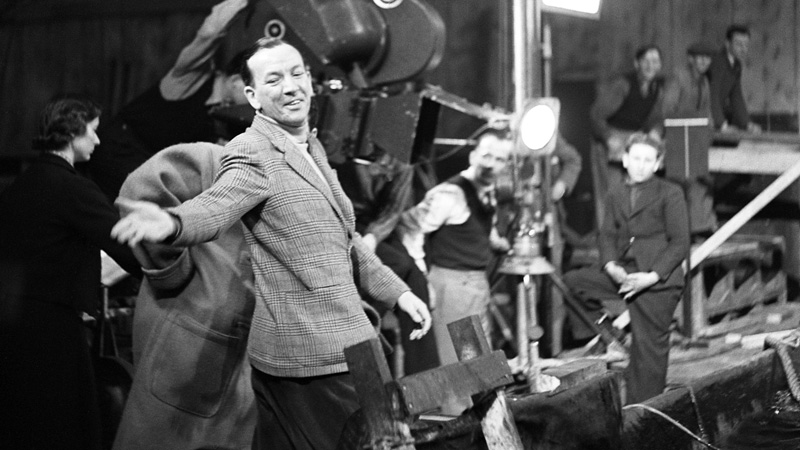 |
| Noel Coward (Criterion Collection) |
As I walked the dog three hours later, I softly sang a song by Noel Coward: "Why Must the Show Go On." In this lively ditty, the late, great 20th Century master of English theatrical wit wonders why showfolk insist on going on stage when they are suffering.
"Why stifle a sob when doing your job
When, if you'd use your head,
You'd go out and grab
A comfortable cab,
And go right home to bed?"
But later in the day, when I met my three classes, I knew at least one answer to that question: because performance can be a curative.
For me, the first day of of classes is an event that masks and overturns almost any unhappiness and discomfort. Because I have communication apprehension, I always push through my anxiety about meeting new students by entering each new class "big." I'm loud, move a lot, and have a routine that strives for humor. Sometimes, when I'm lucky, I have classes that respond with smiles and laughter. This happened yesterday in my late afternoon public speaking class. I got laughs all the way through class -- which, of course, stimulated a lot of goofy side comments from me which resulted in more laughter from them.
Classrooms, like every f2f communication situation, are reciprocal, self-regulating systems. I like to have fun and I think that my interest in fun is usually (not always) appreciated by my students, especially in the fear-inducing setting of the public communication classroom.
Yesterday's public speaking class began with the roll call followed by my swift decision about where to cut off the long wait list. I usually allow 3 extra people into the class with the hopes that at least three folks will drop out after the first two speeches. It's important to keep the class at the required number of students because of the time needed for the student speeches themselves throughout the quarter. I explained this to the students before calling the names on the waitlist. After three names I made the cutoff. I said told the six folks who did not make the cut, "Sorry, good-bye, and thanks for playing our game. Better luck next quarter." This got a laugh yesterday from those remaining in the class.
After that decision, I always play a game I call Toss. Students tossed two Koosh balls and a soft dog ball back and forth. They are required to toss over the head of at least one colleague and not allow the ball to drop to the floor. Laughter ensues during the activity. After I stopped the game and have them turn in the tossed objects, I tell them. "I do have a reason for having you play this game. First -- because it amuses me." This got a huge laugh yesterday. Then I went on to talk about the pedagogical reason -- that success in Toss requires skills and attitudes that are shared with success in public speaking.
I had two other classes yesterday (my Tuesdays end at 8:25 after the completion of my once-a-week interpersonal communication class). While neither was as lively as the public speaking class, each had their own positive energy. If performance were the only part of teaching, if I could be like the peripatetic philosophers and not worry about grading these people with whom I'm in relationship, I might not be retiring this spring.
Subscribe to:
Posts (Atom)